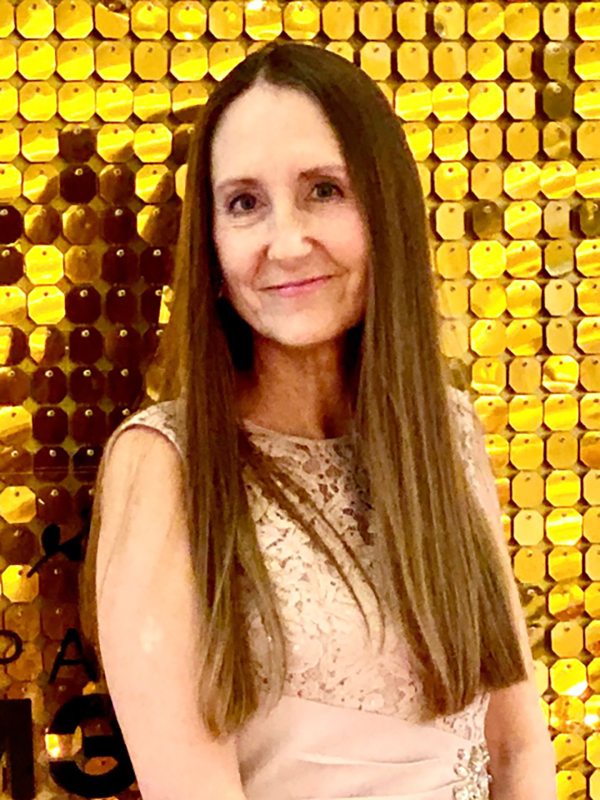
Elena Makarova is a pianist and educator, a representative of the traditional Russian piano school with more than 40 years of teaching experience in Russia and the United States. Her professional work combines deep academic traditions with modern pedagogical approaches. Her students range from children as young as three years old to adult. Over the years, she has grown many prizewinners of Regional and International youth piano competitions. Her students have been successfully admitted to leading music institutions worldwide, including the Juilliard School, Moscow Central Music School for the gifted children, Tchaikovsky Moscow State Conservatory, Gnessin Russian Academy of Music, Indiana University Jacobs School of Music, Eastman School of Music, Harvard University Department of Music, and the USC Thornton School of Music. Elena Makarova received her musical education at the Central Music School at the Moscow State Conservatory—one of the most prestigious institutions for gifted children—and later at the Gnessin Russian Academy of Music. She made her orchestral debut at the age of six. She subsequently became a prizewinner of a few national competitions in Russia and performed extensively as a soloist, with orchestras, and in chamber ensembles at Moscow’s leading concert venues, including the Great Hall and Rachmaninoff Hall of the Moscow Conservatory, as well as the Concert Hall of the Bolshoi Theatre.
Teaching has been an integral part of her life since an early age—she began teaching at just 16 years old. She has worked at leading music schools in Russia. An important stage of her professional career was her work at the Moscow Central Music School for the gifted children. Also she was invited to the Moscow State Conservatory to collaborate with the violin studio of Professor Irina Bochkova.
Over decades of teaching, Elena Makarova has developed her own method based on a deeply individualized approach to each student. Her style combines the finest traditions of the Russian piano school—technical solidity, refined tone production, and artistic depth—with elements of the American music education system, which encourages creative freedom in interpretation, repertoire selection, and lesson structure. At the core of her teaching philosophy lies the belief that studying music should bring joy and inspiration. This approach enables her students not only to achieve high professional results, but also to maintain a lifelong love of music.